
Seeing a doctor in China as a foreign patient
Draft: not yet verified in the live app. Fees, limits, and menus change—confirm on the in-app payment screen and in the provider’s official Help.Verification status: DRAFT — verify in the live app before publish
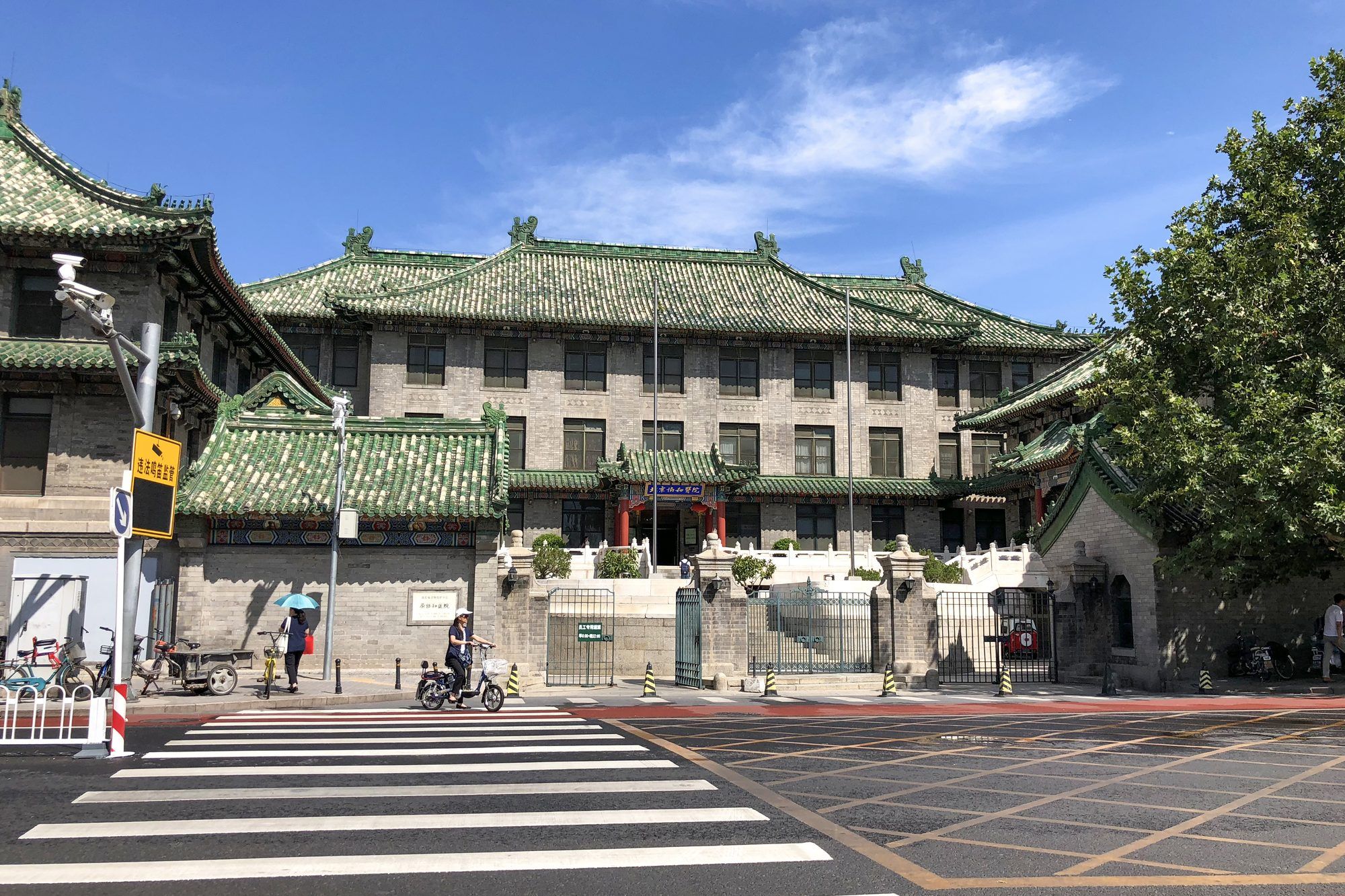
Chinese hospitals are fast, cheap, and clinically strong — but they are built for a hundred million local patients, not for a visitor who cannot read the signs. The medicine is rarely the problem. Registration, language, and payment are. Here is how the system actually works, and which door to choose.
Any foreign passport holder can walk into a Chinese hospital and be seen — no residency, no medical visa, no referral. A standard consultation at a large public hospital costs ¥25–50, a blood test ¥20–50, and an MRI ¥600–2,000: a fraction of Western prices, with doctors who see a very high volume of patients. The friction is procedural. Online booking systems are usually tied to a Chinese ID and phone number, so foreigners fall back to the counter or the hospital’s international department. Payment is pay-first: you settle tests and medicine before you receive them. English exists mainly in international departments, where a consultation costs ¥300–900 — still less than a private clinic’s ¥800–2,000, and worth it for anything complicated. For emergencies, 120 works, triage is by severity, and nobody is turned away for lacking insurance.
Read time about 10 minutes. A passport is enough to register. No insurance is required for emergency care. Figures below were checked in November 2026.
China Arrive is an independent visitor guide. It is not a clinic, not a hospital, and not affiliated with any hospital. The phone pictures on this page are illustrated screens, not photographs. This page explains how the system works. It is not medical advice. In an emergency, call 120. Fees vary by city, hospital tier, and department, and are revised periodically. The figures here are typical self-pay ranges for 2026, not quotations. Direct billing depends on your policy and the hospital’s current partner list — confirm by phone with the hospital before treatment. See the disclaimers.
- Public clinic¥25–50Public hospital consultation
- Referral0Referral needed to see a specialist
- Visit length5–15 minTypical consultation length
- Ambulance120Ambulance — Chinese only
- English desk¥300–900International department consultation
Jump to a section: verdict · three doors · five steps · booking · costs · paying · emergencies · medicine · by symptom · checklist and visa
The verdict in four lines
Assessed for a short-term visitor with a passport, a travel insurance policy, and no Chinese.
- Clinical qualityHigh, and fastLarge public hospitals see thousands of patients a day; imaging and labs often happen the same day.
- CostCheap — if self-pay¥25–50 to be seen. The bill grows with tests, not with the doctor.
- Access frictionRealBooking apps assume a Chinese ID; counters and kiosks assume Chinese.
- LanguageThe dividing lineInternational departments speak English. General outpatient clinics mostly do not.
The single most useful decision: for anything you can describe in a sentence — rash, fever, stomach bug, sprain — a public international department is the sweet spot: English, same-week appointments, ¥300–900. For chest pain or a broken bone, go straight to an emergency department and worry about the bill later.
Three doors into the system
Same doctors, same drugs, wildly different experience. Choose by how sick you are and how much English you need.
Public hospital general clinic
公立医院普通门诊
¥25–50 consultation
- English
- Rare
- Wait
- Long queues
- Booking
- App / counter
- Cards
- Alipay, cash
- Best for
- Simple, cheap care
Use it if you have a friend who can translate, a mild problem, and patience.
International department of a public hospital
公立医院国际医疗部
¥300–900 consultation
- English
- Usually yes
- Wait
- Appointment-based
- Booking
- Phone / English site
- Cards
- Often Visa / MC
- Best for
- Most visitor needs
The default choice. Same specialists, calmer rooms, bilingual coordinator.
Private / international hospital
私立 / 外资医院
¥800–2,000 consultation
- English
- Standard
- Wait
- Minutes
- Booking
- App / email
- Cards
- Visa, MC, Amex
- Best for
- Families, comfort
Insurance direct billing is common here — and almost nowhere else.
Do not shop on price alone. A ¥30 consultation plus ¥1,500 of tests you did not need is worse than a ¥600 international-department visit that answers the question once. Chinese doctors test liberally because testing is cheap and fast.
The visit, in five steps
Every Chinese hospital runs the same loop, whatever the tier. Learn it once and the building stops being frightening.
1. Register and open a record 15–30 min
挂号建档 — literally “register and build a file”. At the counter, hand over your passport and they create a patient number. Some hospitals issue a physical card; most now tie it to your passport number.
You are booking a department, not a named doctor, unless you pay for a specialist slot. If you are unsure which department, ask the triage desk — “internal medicine” (内科) is the catch-all for fever, stomach, and general illness.
Bring the physical passport. A photo on your phone will not get you a record, and without a record you cannot pay, test, or collect medicine.
2. Check in at the department desk 5 min
分诊台签到 — the desk outside the clinic. Show your registration slip and passport, and you get a queue number. Then watch the screen: your number, not your name, is called.
Arrive 15–30 minutes before your slot. If you miss your number, you usually go to the back of the queue rather than losing the appointment.
3. See the doctor 5–15 min
Consultations are brisk. Have three things ready: how long the symptom has lasted, what makes it worse, and your allergies and current medication — generic names, not brand names.
Show a translated note on your phone rather than struggling aloud. Doctors read English test results and imaging from home without complaint; they are used to it.
Privacy is different. In general clinics, several patients share a consulting room. If that matters, use the international department, where rooms are private.
4. Pay before tests and medicine 10 min
先缴费,后检查 — this is the rule that confuses visitors most. The doctor’s orders are not valid until you have paid; the lab will not take you otherwise.
Pay at the counter, a self-service machine, or by scanning the QR on your slip with Alipay or WeChat Pay. Keep the receipt: it is the key to your insurance claim. How foreign cards sit inside those wallets is on how to pay.
5. Tests, results, pharmacy 1–3 hours
Labs and imaging are usually in another building or floor; follow the signs on your paid slip. Blood counts come back within an hour, imaging often the same day, some specialised tests in 1–3 days.
Medicine is dispensed at the hospital pharmacy on presentation of the paid prescription. Pharmacists do not speak English — check the dosage on the label before you leave, and photograph it.
Booking: where foreigners get stuck
Chinese appointment systems are excellent — for people with a Chinese ID card and a local phone number. Here is what actually works with a passport.
| Channel | Works with a passport? | Reality |
|---|---|---|
| Hospital WeChat mini-program | Sometimes | Often requires a Chinese mobile number; a few now accept passport registration. Slots for popular specialists vanish in minutes. |
| Hospital English website | Yes | Major hospitals, including Peking Union, publish an English booking page and a bilingual app for the international department. |
| International department phone line | Yes | The most reliable route. English is usually spoken; they can also arrange an interpreter for the visit. |
| On-site counter | Yes | Walk-in works, but arrive at opening. Same-day specialist slots are often gone by 08:00. |
| Self-service kiosk | Sometimes | Major hospitals have English modes, but many kiosks read only the Chinese ID chip. |
| City health platform / 114 | Rarely | Built around Chinese ID numbers and Mandarin voice menus. |
If you have no Chinese phone number
Three workarounds that actually work
- Call the international department directly and book by email or phone.
- Ask your hotel concierge to book on the hospital’s WeChat account using their number.
- Walk in at 07:30 and register at the counter for a general clinic slot.
Which department?
The four that cover most visitor problems
| 内科 Internal medicine | Fever, cough, stomach, general |
| 外科 / 骨科 Surgery / ortho | Injury, sprain, fracture |
| 皮肤科 Dermatology | Rash, allergy, infection |
| 口腔科 Dental | Toothache, broken tooth |
What it costs
Consultation fees vary by an order of magnitude between doors. Tests and drugs vary far less, because they are the same tests and the same drugs.
Consultation only. Bars are scaled to a ¥2,000 maximum — the private route costs roughly 40× a public general clinic for the same ten minutes of a doctor’s time. Illustrated chart, not a photograph.
Tests and imaging
Self-pay, public hospital
| Blood count | ¥20–50 |
| X-ray | ¥50–150 |
| Ultrasound | ¥100–300 |
| CT scan | ¥300–800 |
| MRI | ¥600–2,000 |
| Emergency visit | ¥50–150 + tests |
What is not cheap
Plan for these if the visit becomes an admission
| Hospital bed, general ward | ¥200–800 / day |
| ICU | ¥2,000+ / day |
| Surgery | Deposit required |
| Dental implant | ¥8,000–20,000 |
| Private hospital bed | ¥2,000–8,000 / day |
| Ambulance (120) | ¥100–300 + treatment |
Procedures require a deposit. For surgery or an admission, the hospital asks for an upfront payment before the procedure, then settles the balance at discharge. Ask for a written estimate — “费用预估” — before you agree.
Paying, and getting it back
China’s hospitals are cashless-first but card-friendly at the international desks. Insurance is where the paperwork lives.
What they accept
In descending order of reliability
- Alipay / WeChat Pay linked to a foreign card — works almost everywhere. Setup: Alipay and WeChat Pay.
- Cash — still accepted at every counter, and useful when systems fail.
- UnionPay / Chinese bank card — universal.
- Visa / Mastercard — common at international departments and private hospitals; patchy in general clinics.
- Amex — private hospitals only.
Insurance: two very different routes
Ask before you are treated
Direct billing — the hospital bills your insurer and you pay only the excess. Available at private hospitals and a growing number of public international departments, with networks such as MSH, Cigna, Allianz, Bupa, and AIA.
Pay and claim — you settle the bill, then submit documents at home. Slower, but works with almost any travel policy.
The reimbursement chain
Miss one document and the claim comes back
The 发票 (fapiao) is not the same as a receipt. It is the official tax invoice, issued at a dedicated window on presentation of your passport and payment slip. Without it, most insurers will refuse the claim. Ask for it before you leave the building.
Emergencies and 120
Emergency departments are open 24/7, treat by severity rather than arrival order, and will not refuse you for lacking insurance or cash.
- Minute 0 · call 120Chinese only, no English lineSay the address first, then the problem. If you cannot speak Chinese, hand the phone to a bystander or hotel staff — they will do it faster than an app.
- Minute 8–15 · ambulanceYou are billed for the rideRoughly ¥100–300 plus treatment. Payment is settled at the hospital, not in the vehicle.
- Arrival · triageSeverity, not queue orderA nurse assigns a triage level. Chest pain and heavy bleeding go first; a sprained ankle waits, sometimes hours.
- Treatment · registerPassport at the emergency windowRegistration happens in parallel with treatment. A friend can handle the paperwork while you are being seen.
The 120 script
Address: hotel name + street + district
Problem: chest pain / accident / unconscious
Who: adult male, 45, conscious
Phone: your number
Have the Chinese address written on paper. Reading it aloud beats pronouncing it.
Call 120 or take a taxi?
Call 120 for chest pain, stroke signs, breathing difficulty, heavy bleeding, unconsciousness, or any spinal injury.
Take a taxi or DiDi for a sprained ankle, a deep cut that has stopped bleeding, or a high fever in a walking patient. In a city centre you will often arrive faster.
Emergency care is not free — but it is not withheld. You will be stabilised first and billed after. Bring a friend who can pay and translate if you have one; hospitals will help you contact your embassy for serious cases.
Medicine, pharmacies, and your own drugs
China is a pharmacist-heavy system: many drugs that are over-the-counter at home require a prescription here, and antibiotics always do.
Three ways to get medicine
Cheapest to most convenient
| Hospital pharmacy | With a local prescription, dispensed on site. Cheapest and most reliable for real illness. |
| Chain pharmacy (药店) | Walk-in for over-the-counter medicine: paracetamol, rehydration salts, antihistamines, plasters. Staff speak no English. |
| Online delivery | Alipay or Meituan health; a prescription upload is required for prescription drugs, and the interface is Chinese. |
Prescription reality
What catches visitors out
- Antibiotics are prescription-only. No pharmacy will sell them without a local script.
- Prescriptions are short-dated — usually 3–7 days. Ask for the maximum supply for a chronic condition.
- Bring your own medication in original packaging with the prescription, and a doctor’s letter for injectables or controlled drugs.
- Brand names differ. Write down the generic name (for example “ibuprofen”, not “Advil”).
Controlled drugs are a serious matter. Stimulants, strong opioids, and some sedatives require an import permit and a valid prescription; carrying them without documentation can create real legal trouble. Declare anything unusual at customs and carry the prescription in your name.
Where to go, by symptom
A triage table for the situations visitors actually run into. Costs are self-pay, all-in, typical. This is how the system is organised, not a diagnosis.
| Situation | Go to | Typical cost | What to expect |
|---|---|---|---|
| Fever, flu, bad cold | International dept. | ¥400–900 | Swab and blood test, antivirals or symptomatic treatment. Same-day result. |
| Food poisoning, vomiting | Emergency if dehydrated | ¥300–1,000 | IV fluids are the main treatment; you may be kept 2–4 hours. |
| Chest pain, breathlessness | Emergency / 120 | ¥1,000–5,000 | ECG and troponin within minutes. Do not take a taxi if it is severe. |
| Sprain, possible fracture | Orthopaedics | ¥300–800 | X-ray on site; cast or brace fitted the same day. |
| Deep cut, needs stitches | Emergency | ¥300–800 | Wound cleaning, sutures, tetanus check. Go within six hours. |
| Toothache, broken tooth | Dental hospital | ¥300–1,500 | Dental hospitals take walk-ins in the morning; international clinics cost more. |
| Altitude sickness (Lhasa, Shangri-La) | Nearest hospital | ¥300–1,000 | Oxygen and observation; descend if symptoms worsen. |
| Animal bite, rabies risk | CDC / rabies clinic | ¥200–400 / dose | Start the vaccine course within 24 hours; courses run 4–5 doses. |
| Anxiety, insomnia, low mood | International clinic | ¥800–1,500 | English-speaking psychiatrists exist almost only in the private sector. |
| Chronic medication running out | Public hospital | ¥100–300 | Bring the box or a prescription; a local doctor reissues it. |
If you are too ill to leave the hotel: international clinics in Beijing, Shanghai, and Guangzhou do hotel visits, and video consultations in English are available through private clinic apps. For a rash at 11 p.m., that is a better first step than an emergency room.
Checklist, phrases, and the visa detail
Save this page before you need it. The worst time to research hospitals is at 2 a.m. with a fever.
Before you go to a hospital
Nine things that save an hour
- Passport, physical, plus a photo of the data page.
- Insurance card and policy number; call to confirm direct billing.
- Medication list with generic names and doses.
- Allergy list, written in English and Chinese.
- Symptom note: onset, duration, what makes it worse.
- Payment: Alipay set up, a card, and ¥500 cash.
- Translation app with offline Chinese downloaded.
- Hospital address in Chinese to show a taxi driver.
- A friend if you can — queues and paperwork go faster.
Eight phrases for the clinic
Show the screen, or read the pinyin
I need an English-speaking doctor.
我需要会说英语的医生。
Wǒ xūyào huì shuō Yīngyǔ de yīshēng.
I have had a fever for three days.
我发烧三天了。
Wǒ fāshāo sān tiān le.
I am allergic to penicillin.
我对青霉素过敏。
Wǒ duì qīngméisù guòmǐn.
Where do I pay?
在哪里缴费?
Zài nǎlǐ jiǎofèi?
I need an invoice for my insurance.
我需要发票用于保险报销。
Wǒ xūyào fāpiào yòngyú bǎoxiǎn bàoxiāo.
Is this prescription-only?
这个是处方药吗?
Zhège shì chǔfāngyào ma?
Call an ambulance.
请叫救护车。
Qǐng jiào jiùhùchē.
I have travel insurance.
我有旅行保险。
Wǒ yǒu lǚxíng bǎoxiǎn.
If treatment extends your stay, apply to the local exit-entry administration for a visa extension before your current visa expires, with a certificate from the hospital. Overstaying is treated far more seriously than a late application.
Notes
Municipal health-commission guidance for foreign nationals (including Beijing, Shanghai, and Hunan), hospital international-department pages including Peking Union Medical College Hospital, published self-pay price ranges for Grade 3A public hospitals and international and private hospitals (2026), insurer direct-billing network lists (MSH, Cigna, Allianz, Bupa, AIA), China’s emergency triage rules and 120 service notes, and Ministry of Human Resources and Social Security rules on social insurance for foreign employees. The two links in Sources are a Beijing municipal medical guide for foreigners and Peking Union’s English international-services page. They are third-party pages. China Arrive is not their partner.
Related guides on this site: how to pay, Alipay for visitors, WeChat Pay, DiDi. Together they cover payment, transport, and this health page.
Prepared November 2026. Informational only. Not medical advice. In an emergency, call 120.